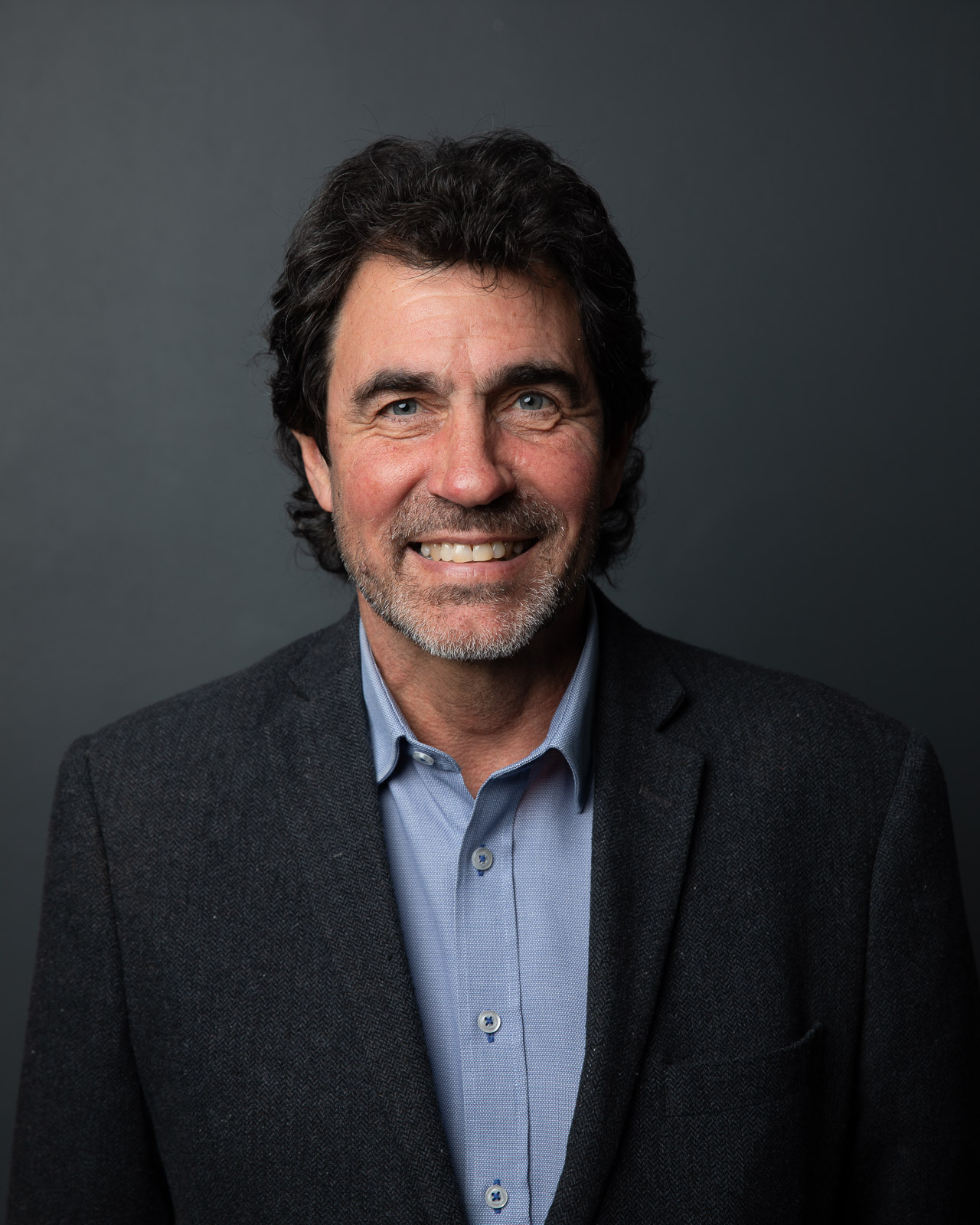
What you wear to your headshot session has more impact than most people expect. Not because the clothes are the point, but because clothing affects how light falls across the frame, how the eye reads the image, and what a viewer notices first. Once the session's done, you can't change it. These are the things I go through with every client before we start.
Stick to solid, mid-toned colours
Bright whites tend to blow out in almost any light and create an imbalance in the frame that's difficult to correct in editing. Black can work in certain situations but often reads as flat, especially in lower-contrast environments or when shooting against darker backgrounds. The safest range is mid-tone: navy, dusty blue, forest green, warm grey, burgundy, terracotta, stone. These colours hold detail, pick up light naturally, and don't compete with your face.
A simple test: put the outfit on and look in a mirror from a few feet back. If the first thing you notice is the colour rather than your face, it's too dominant. You want the viewer looking at you, not at what you're wearing.
Fit matters more than brand
Clothes that fit well read as clean and confident in a photo. Loose clothing can look shapeless; clothing that's too tight can look strained or uncomfortable. The camera compresses depth, which means fit-related details like a bunching sleeve or pulling fabric across the shoulders get exaggerated rather than minimised.
Try your outfit on a few days before the session and move around in it. Stand, sit, look sideways. A blazer that sits perfectly when you're standing can bunch awkwardly when you're seated, which is a common shooting position. If you notice something in the mirror, it'll be visible in the photo. It's worth sorting before the day rather than after.
Avoid logos, graphics, and small patterns
Text and logos draw the eye away from your face, which is exactly the wrong direction for a headshot. Small repeating patterns like narrow stripes, fine houndstooth, or busy prints can also cause a moiré effect in high-resolution images, a visual shimmer that's difficult to remove in post-processing. Neither problem is hard to avoid: default to solid colours or single-colour textures like a subtle ribbed knit or a fine weave, and you won't have to think about it.
Bring two or three complete looks
The light during a session can change, and you might find you feel more comfortable in one outfit once we're actually shooting. Different looks also serve different purposes: a more polished option for a corporate or LinkedIn profile, something more relaxed for an acting portfolio or creative brief.
When you're putting options together, think in terms of range rather than just variety. One more formal look, one that feels like a normal day for you. Having both gives the final edit more to work with and means the photos are genuinely useful across different contexts.
A note on context: actors, executives, and everyone else
The core guidance above applies across the board, but context matters for the finer details. For actors, the goal is simplicity: casting directors are looking at your face and your range, so anything that distracts from that is working against you. For executives and corporate profiles, a blazer or structured top signals professionalism without feeling stiff. For creatives or founders, there's more latitude to let the outfit reflect your personal brand, as long as it still reads cleanly on screen.
If you're booking for a specific purpose, let me know when you get in touch. I can advise on what tends to land best for that context before we even get to the session.
Makeup and grooming
If you don't normally wear makeup, don't start for your headshots. It tends to read as unfamiliar and can work against the naturalness you're going for. If you do wear it, keep it consistent with how you look professionally day-to-day. The goal is always the clearest, most accurate version of you.
For grooming: a clean shave or a well-maintained beard both work well. If you're between haircuts, it's worth getting a trim a few days before the session rather than the day before. Freshly cut hair tends to look more settled after a day or two.
What to expect on the day
Most of my headshot sessions run out of Brooklyn or on location around lower Manhattan. I shoot with a professional lighting setup that I bring to every session, so the quality of light is consistent regardless of where we are or what the weather is doing. Sessions are relaxed. I'm not directing a performance. The aim is to find a few moments where you look like yourself on a good day, and that tends to happen when you're not thinking too hard about it.
Bring your outfit options in a bag. We'll talk through what might work best given the light and location before we start. It takes two minutes and is usually worth it.